NEWS ARTICLE ARCHIVESCompaction information from Electronic Blueprint for architects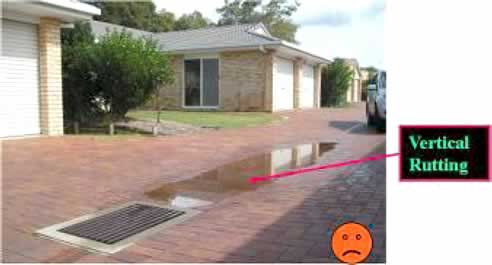 Soil compaction is;
Loose soils consolidate and settle when subjected to vertical pressure from buildings, retaining walls or vehicles. When a heavy load is applied to a soil, there may be some elastic deflection (i.e. the soil partly springs back to its original position after a load is removed). However, most of the settlement is irreversible and results from the expulsion of the air and water from within the soil. The purpose of mechanical compaction by rollers, plate vibrators and the like is to reduce the air voids during construction, increasing the in-situ density. This has the following beneficial effect.
Architects should ensure that designs and specifications make proper provision for adequate compaction, and that tender prices allow for the level of compaction specified in these documents.
|
 |
 |
Home | About/Services | News Lounge | News Archive | Product Archive | Tender News | Testimonials | Conditions of Use | Privacy Policy


© 2022 SPEC-NET