

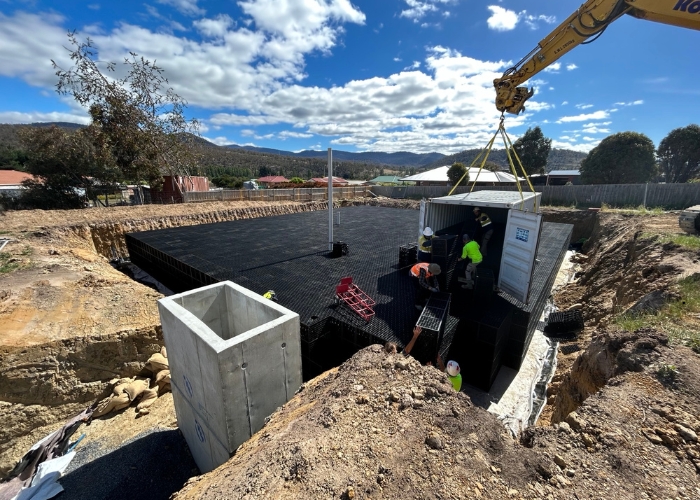
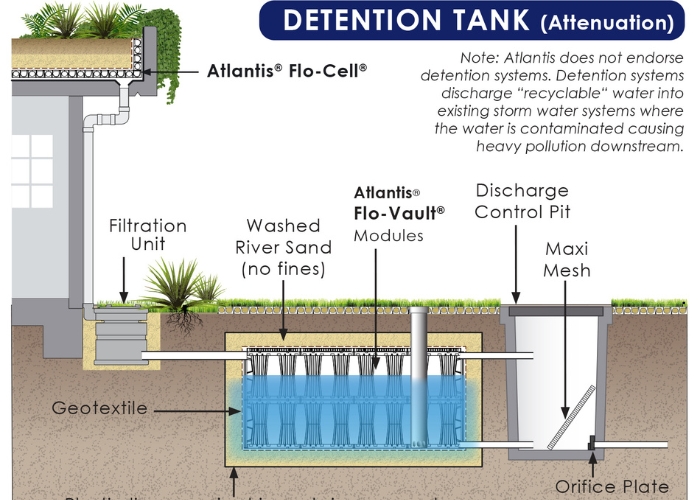
Why Detention Alone Is Not the Solution in Modern Stormwater Design For many developments, stormwater compliance begins and ends with one requirement: detention. Design teams are tasked with ensuring that post-development peak flows do not exceed pre-development conditions. The solution is typically straightforward- introduce a detention system that temporarily stores runoff and releases it at a controlled rate. On paper, this approach works. It satisfies regulatory criteria and reduces peak discharge into downstream networks. But increasingly, it is also proving to be incomplete. Understanding the Role of DetentionDetention systems are designed to manage peak flow rates. During a storm event, excess runoff is stored within a tank or structure and gradually released over time, reducing the immediate burden on downstream infrastructure. This function is critical, particularly in urban environments where:
Detention helps prevent sudden surges that can overwhelm pipes and channels. However, it addresses only one part of a much larger problem. The Volume ProblemWhile detention reduces peak flow, it does not reduce the total volume of runoff leaving a site. Every litre of water that enters the system must still be discharged- just more slowly. This creates several challenges: 1. Cumulative Downstream Impact When multiple developments rely solely on detention, downstream systems receive prolonged periods of elevated flow. Over time, this can contribute to flooding, erosion, and infrastructure stress. 2. Limited Effectiveness in Large Storm Events In high-intensity or long-duration storms, detention systems can reach capacity quickly. Once full, they effectively bypass, behaving like conventional drainage systems. 3. Lost Opportunity for Water Management Detention systems typically discharge water off-site without utilising it, missing opportunities for reuse or infiltration. In essence, detention delays the problem- it does not resolve it. Peak Flow vs Total System PerformanceFocusing exclusively on peak flow can create a false sense of security.A development may comply with discharge limits while still contributing significantly to:
Modern stormwater design requires a broader perspective- one that considers total system performance, not just a single metric. The Case for Integrated ApproachesTo address these limitations, designers are increasingly adopting multi-layered stormwater strategies.Instead of relying on detention alone, systems are combined to achieve multiple outcomes:
By distributing these functions across a site, developments can significantly reduce both peak flow and total discharge volume- aligning more closely with natural hydrological processes. Why Infiltration Changes the EquationAmong these strategies, infiltration plays a particularly important role.Unlike detention, which manages timing, infiltration directly addresses volume by allowing water to:
However, infiltration must be carefully designed, taking into account:
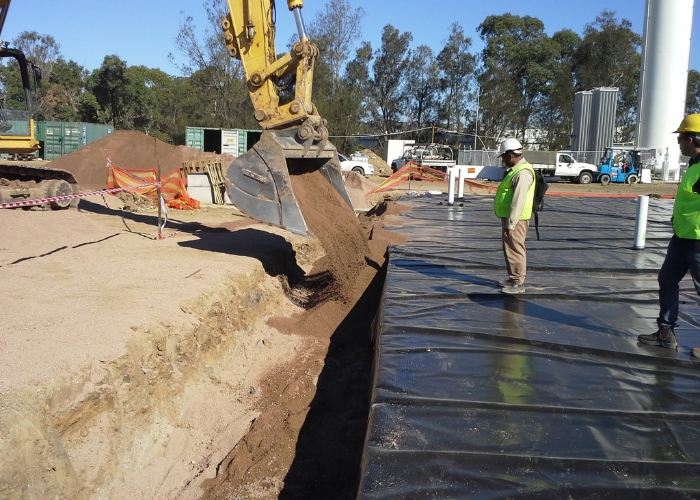
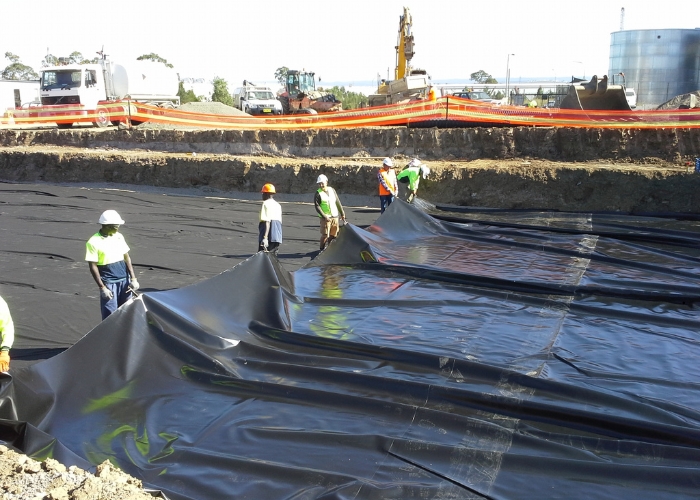
Space Constraints and Practical ChallengesOne of the reasons detention remains so prevalent is its simplicity and predictability.In contrast, integrated systems can be more complex to design and implement, particularly in constrained urban sites. Challenges include:
To overcome these constraints, designers are increasingly turning to flexible, modular solutions that can be adapted to suit site-specific conditions while delivering multiple functions within a compact footprint. Regulatory Expectations Are EvolvingMany regulatory frameworks are beginning to reflect this broader understanding.In addition to peak flow control, requirements are expanding to include:
Projects that rely solely on detention may meet minimum compliance today- but risk falling short of future expectations. Rethinking "Compliance"Compliance should not be viewed as the finish line- it should be the baseline. The question is no longer: "Does this system meet discharge requirements?" But rather:"Does this system contribute to a more resilient and sustainable water cycle?" Answering this requires a more holistic approach- one that integrates multiple strategies and considers long-term impacts, not just immediate performance. Looking AheadDetention will continue to play an important role in stormwater design.But on its own, it is not enough. As urban environments become more complex and environmental pressures increase, the focus must shift toward comprehensive water management systems that address peak flow, volume, quality, and reuse simultaneously. The next step in this conversation is exploring one of the most critical- and often overlooked- components of this approach: infiltration. Visit atlantiscorporation.com.au for more details.
|
02 9417 8344 3/19-21 Gibbes Street, Chatswood, NSW, 2067
|
Related News Articles
 Water Reuse: Turning Stormwater into a
 Space Is the New Constraint: Rethinking
 The Economics of Smarter Stormwater
 Green vs Grey Infrastructure: Why the
 Designing for Extreme Weather: Why
 Role of Modular Systems in Modern
 Infiltration: The Missing Piece in Urban
 From Drainage to Water Management: A
 The Hidden Crisis Beneath Our Cities:
 Green Wall System for Vertical Gardens
 Green Facade Architectural Screen System
 Drainage System for Sports Fields by
 Structural Soil for Urban Tree Growth by
 Vertical Gardens for Building Facades by
 Stable Grid for Equestrian Surface
 Vertical Wall Drainage Solution for
 Heavy Duty Underground Tank System by
 Subsurface Drainage for Tunnels and
 Stable Ground Reinforcement for
 Mini Water Storage Tank for Versatile
 |
 |
Home | About/Services | News Lounge | News Archive | Product Archive | Tender News | Testimonials | Conditions of Use | Privacy Policy | Stats


© SPEC-NET