

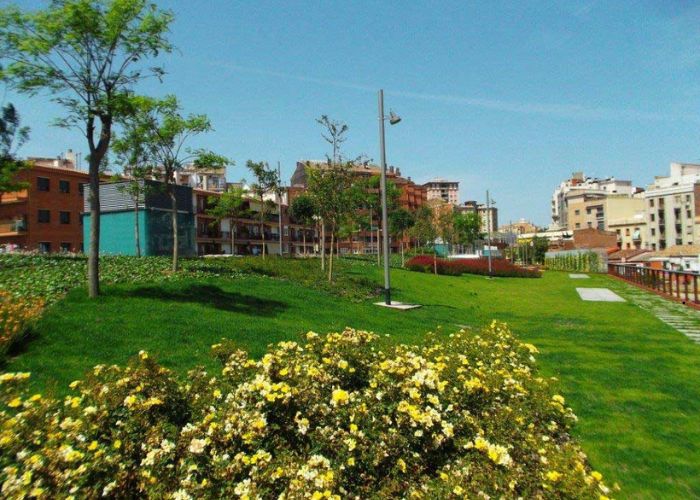
Green vs Grey Infrastructure: Why the Best Stormwater Solutions Combine Both In the discussion around modern stormwater management, one debate appears frequently: Green infrastructure vs grey infrastructureOn one side, green solutions- bio-retention systems, swales, wetlands, and green roofs- are promoted for their environmental and aesthetic benefits.On the other, traditional engineered systems- pipes, tanks, and underground storage- are valued for their reliability, predictability, and structural performance. Too often, these approaches are positioned as competing alternatives. In reality, the most effective stormwater strategies are not about choosing one over the other- but about integrating both. Understanding the Two ApproachesGreen InfrastructureGreen infrastructure focuses on working with natural processes.Typical features include:
Grey InfrastructureGrey infrastructure refers to engineered systems designed for performance and control.This includes:
Why the "Either/Or" Mindset Falls ShortFraming stormwater design as a choice between green and grey infrastructure oversimplifies a complex challenge.Each approach has strengths- but also limitations. Green Infrastructure Limitations
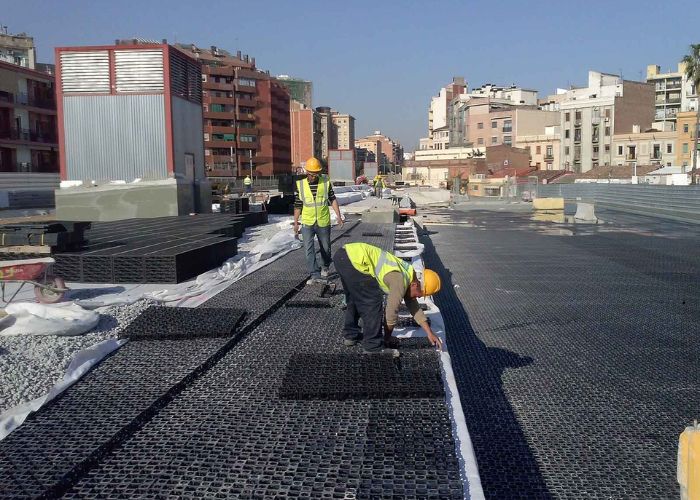
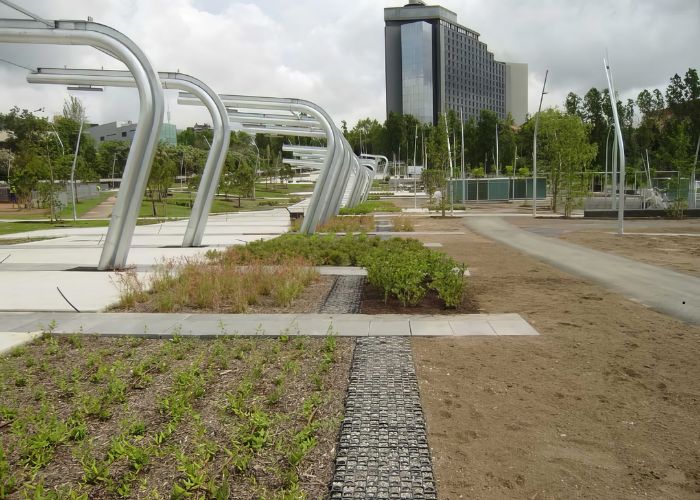
Grey Infrastructure Limitations-Typically single-function (e.g. detention only)-Does not inherently improve water quality -Does not restore natural hydrological processes -Often disconnected from landscape and urban design Relying exclusively on one approach can result in systems that are either: -Environmentally beneficial but capacity-limited, or-Highly engineered but environmentally disconnected -Neither outcome fully addresses the challenges of modern urban water management. The Case for Hybrid SystemsThe most effective stormwater strategies combine the strengths of both approaches into integrated, hybrid systems. These systems aim to:-Deliver reliable hydraulic performance -Support infiltration and water quality improvement -Maximise use of available space -Enhance urban environments Rather than competing, green and grey infrastructure become complementary components of a single system. How Integration Works in PracticeA well-designed hybrid system might include:
Solving the Space Constraint ChallengeOne of the biggest barriers to implementing green infrastructure in urban environments is space.As cities densify, surface areas are increasingly prioritised for: -Buildings -Parking -Public use -This can limit the feasibility of large, surface-based green systems. By integrating engineered solutions below ground, designers can: -Free up valuable surface space-Maintain or enhance green elements where possible -Deliver required storage and performance without compromising site functionality This is where the combination of green and grey infrastructure becomes not just beneficial- but necessary. Performance Under PressureExtreme weather events further highlight the importance of hybrid systems.Green infrastructure alone may not provide sufficient capacity during high-intensity storms. Grey infrastructure alone may manage flows, but without addressing volume, quality, or environmental impact. Together, they create systems that: -Perform reliably under normal conditions -Adapt to higher loads during extreme events -Recover more effectively after system stress This balance between function and resilience is critical in modern stormwater design. A Shift in Design ThinkingThe move toward integrated systems reflects a broader change in how projects are approached.Stormwater management is no longer a standalone engineering task- it is a multi-disciplinary design challenge. Successful outcomes require collaboration between: -Engineers -Landscape architects -Urban planners -Developers By considering green and grey infrastructure together from the outset, projects can achieve better performance, greater efficiency, and improved long-term outcomes. Beyond ComplianceRegulatory frameworks are increasingly encouraging- or requiring- this integrated approach.But the real value extends beyond compliance. Hybrid systems can: -Reduce lifecycle costs -Improve asset performance -Enhance urban amenity -Contribute to sustainability targets They represent a more complete response to the challenges facing modern cities. Looking AheadThe future of stormwater management is not green or grey- it is both.As urban environments become more complex and environmental pressures increase, the need for integrated, flexible solutions will only grow. Designers who embrace this approach will be better equipped to deliver systems that are not only compliant, but efficient, resilient, and sustainable. The next step is understanding how these strategies translate into real-world value- particularly when it comes to cost, maintenance, and long-term performance.
|
02 9417 8344 3/19-21 Gibbes Street, Chatswood, NSW, 2067
|
Related News Articles
 Space Is the New Constraint: Rethinking
 The Economics of Smarter Stormwater
 Designing for Extreme Weather: Why
 Role of Modular Systems in Modern
 Infiltration: The Missing Piece in Urban
 Why Detention Alone Is Not the Solution
 From Drainage to Water Management: A
 The Hidden Crisis Beneath Our Cities:
 Green Wall System for Vertical Gardens
 Green Facade Architectural Screen System
 Drainage System for Sports Fields by
 Structural Soil for Urban Tree Growth by
 Vertical Gardens for Building Facades by
 Stable Grid for Equestrian Surface
 Vertical Wall Drainage Solution for
 Heavy Duty Underground Tank System by
 Subsurface Drainage for Tunnels and
 Stable Ground Reinforcement for
 Mini Water Storage Tank for Versatile
 Efficient Groundwater Filtering Strip
 |
 |
Home | About/Services | News Lounge | News Archive | Product Archive | Tender News | Testimonials | Conditions of Use | Privacy Policy | Stats


© SPEC-NET